🧠 Brain & Logic Games
27 free brain and logic games. Classics like sudoku and minesweeper, newer puzzles like water sort and block fit, attention games like word search and picture logic — all in one place. No install, no sign-up, no ads.
 🚢
🚢Battleship
Brain Games · 6-12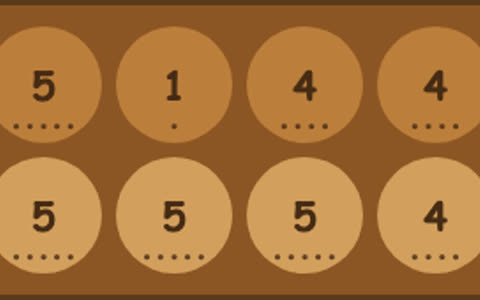 🪨
🪨Mangala
Brain Games · 6-12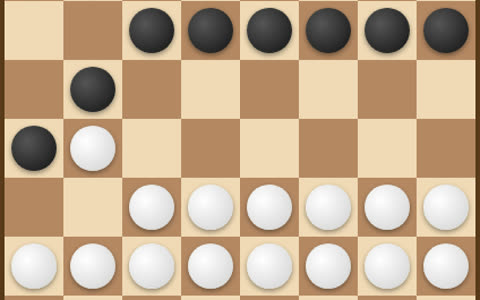 ⚪
⚪Turkish Draughts
Brain Games · 7-12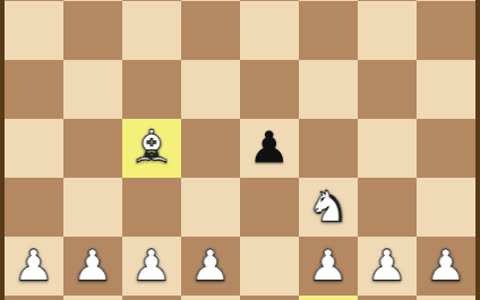 ♟️
♟️Chess
Brain Games · 7-12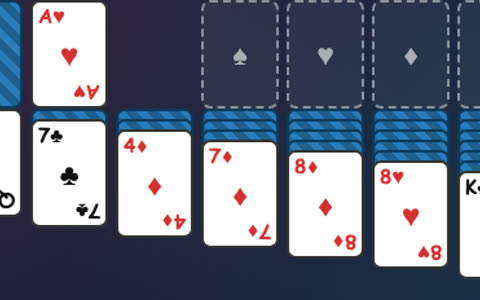 🃏
🃏Solitaire
Brain Games · 7-12Bubble Shooter
Brain & Logic Games · 5-12Block Fit
Brain & Logic Games · 6-12Sudoku
Brain & Logic Games · 7-12Mahjong
Brain & Logic Games · 6-12Water Sort
Brain & Logic Games · 5-12Minesweeper
Brain & Logic Games · 7-12Word Search
Brain & Logic Games · 6-12Four in a Row
Brain & Logic Games · 5-12Tower of Hanoi
Brain & Logic Games · 6-12Colour Code
Brain & Logic Games · 7-12Colour Flow
Brain & Logic Games · 5-12Unblock Car
Brain & Logic Games · 6-12Balance Scale
Brain & Logic Games · 6-11Dominoes
Brain & Logic Games · 5-12Unscrew
Brain & Logic Games · 5-11Mirror Beam
Brain & Logic Games · 7-12Build Bridges
Brain & Logic Games · 7-12Picture Logic
Brain & Logic Games · 7-12Matchstick Puzzle
Brain & Logic Games · 7-12Hidden Objects
Brain & Logic Games · 5-11Long Cat
Brain & Logic Games · 5-12Snake Puzzle
Brain Games · 6-12🧠 What brain games actually build
These games train three different things:
- Logic and deduction — Sudoku, Minesweeper, Build Bridges and Picture Logic reward reasoning, not guessing.
- Planning — Water Sort, Tower of Hanoi, Unblock Car and Colour Flow need the moves in the right order.
- Attention — Mahjong, Word Search and Hidden Objects train visual scanning.
👶 Which age plays what?
Ages 5-7: Water Sort, Dominoes, Unscrew, Bubble Shooter, Colour Flow.
Ages 7-9: Sudoku (4×4), Minesweeper, Tower of Hanoi, Balance Scale, Unblock Car.
Ages 9-12: Sudoku (9×9), Build Bridges, Picture Logic, Colour Code, Mirror Beam.
⏱️ How long?
Ten to fifteen minutes a day beats one long session. A puzzle that feels impossible today is often easy tomorrow.
❓ Frequently Asked Questions
What should I do if my child gets stuck?
Instead of intervening immediately, offer hints to help them find the answer themselves. Wrong answers are a natural part of learning; use encouraging language to keep them motivated.
How many games should they play daily?
This depends on their attention span, but 3-5 different games per day is sufficient. It's more important that their mind is actively engaged than the specific number of games played.
How can I balance screen time?
Emphasize that these are quick sessions and insert physical activities or conversation breaks in between. Planning total screen time according to your daily routine will be healthier.
Which age group is this suitable for?
Generally, it targets the developmental level of children aged 6-10. However, simpler games like "Zar At" or "Taş Kağıt Makas" can be enjoyed with supervision from age 4.