🎈 Games for 4 Year Olds
This age is the ideal time to introduce children to digital interactions that go beyond mere screen time. The games we recommend help them develop tangible skills like recognizing shapes, grasping numbers, and understanding directions.
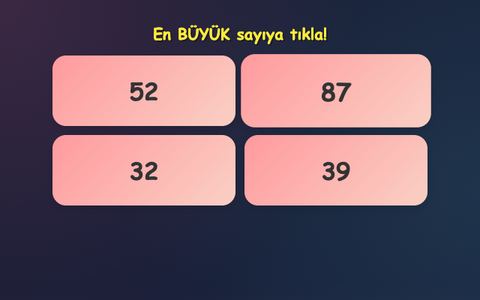 🔺
🔺Biggest Number
Math Games · 4-7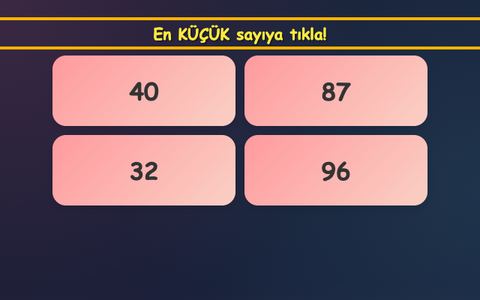 🔻
🔻Smallest Number
Math Games · 4-7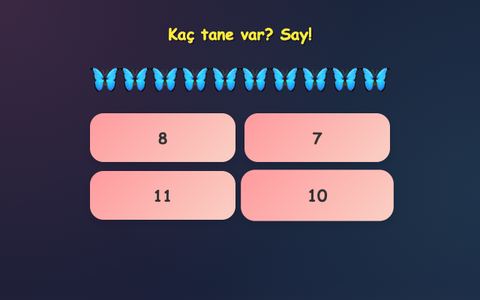 🧮
🧮Count Objects
Math Games · 4-7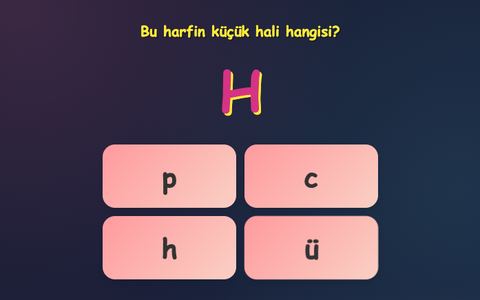 Aa
AaUpper and Lower Case
Language Games · 4-7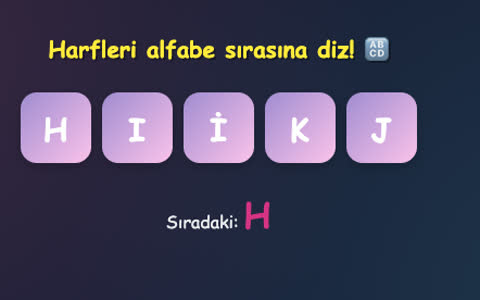 🔠
🔠Alphabet Order
Language Games · 4-7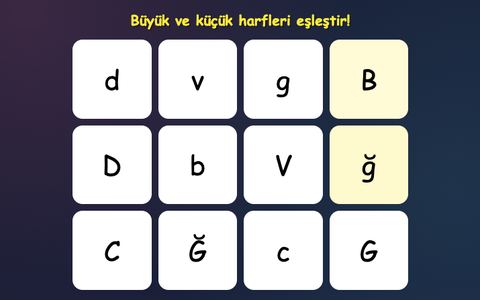 🔤
🔤Letter Pairs
Language Games · 4-7 🌓
🌓Day or Night
World Games · 4-7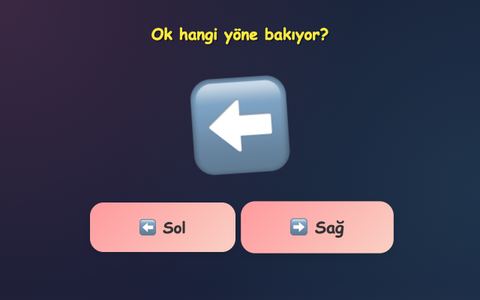 👈
👈Left or Right
People Games · 4-7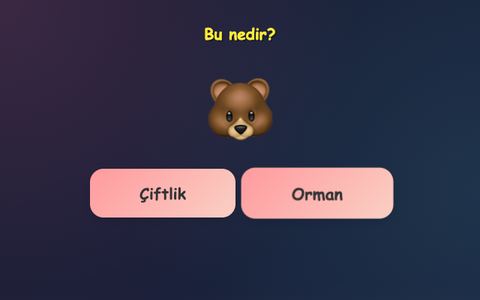 🏡
🏡Farm or Forest
Animal Games · 4-8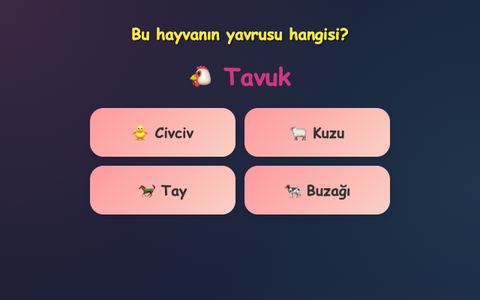 🐣
🐣Baby Animals
Animal Games · 4-8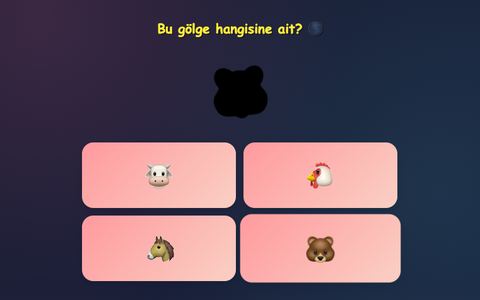 🌑
🌑Animal Shadows
Animal Games · 4-8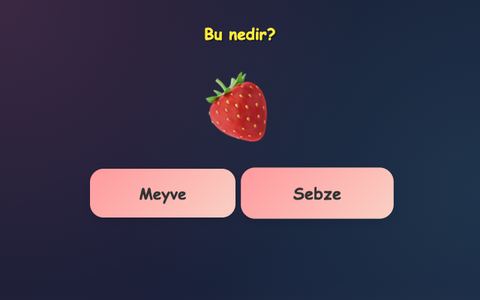 🥗
🥗Fruit or Vegetable
Food Games · 4-8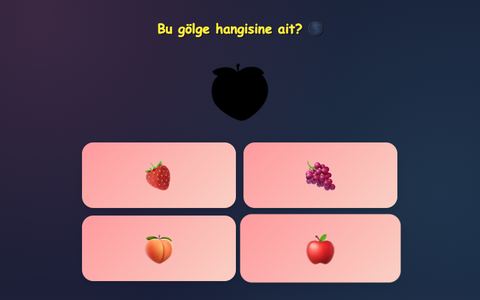 🌑
🌑Fruit Shadows
Food Games · 4-8 🔍
🔍Find the Different One
Color & Shape Games · 4-8 🪙
🪙Coin Flip
Strategy Games · 4-8 🎲
🎲Roll Dice
Strategy Games · 4-8 🌑
🌑Vegetable Shadow
Food Games · 4-8 🌑
🌑Vehicle Shadow
Object Games · 4-8 🌑
🌑Tool Shadow
Object Games · 4-8 🌑
🌑Instrument Shadow
Music Games · 4-8 🌊
🌊Sea Animals
Animal Games · 4-9 🥕
🥕Vegetable Recognition
Food Games · 4-9👶 Development
Four years old is a transitional period where children start building their mental maps. While fine motor skills develop through hand movements, the brain begins classifying the objects it sees. Our games are designed to support this exact process by turning these complex concepts into playful discoveries.
🎯 How to choose
In this stage, keeping screen time short and segmented is vital for cognitive health. The difficulty should strike a balance: not too frustrating, yet engaging enough to hold their interest. Whenever possible, playing alongside them and discussing what they've learned significantly boosts retention.
⭐ Highlights
Big/Low Case introduces letter recognition in a concrete way, while Day or Night strengthens time awareness. How Many? makes counting feel like a natural part of play. Together, these three create a balanced entry point that exercises both visual memory and logic.
❓ Frequently Asked Questions
How flexible should I be with screen time limits?
For this age group, more than 20-30 minutes of continuous use is not recommended. Breaking gameplay into short sessions helps maintain focus without overwhelming them.
Which game is the best starting point?
Start with games featuring concrete concepts like Day or Night or Big Number, depending on your child's interest. Simple games without complex rules help build confidence quickly.
Should I help immediately if they struggle?
Jumping in too fast might kill their desire to explore. Wait a few seconds first; often children find the solution themselves. If they are still stuck, guide them with gentle hints.
Do the games stay purely on screen?
No, these games serve as springboards for real-world play. After playing Farm or Forest, for instance, you can ask your child to sort their actual toy animals in a similar way.